
Excess sugar drives inflammation, insulin resistance and metabolic syndrome. Learn best low glycemic sweeteners like xylitol and monk fruit and avoid refined sugars and fake sweeteners!!
One of the most common topics I navigate involves sugar, sugar substitutes, and natural sweeteners. We’ve all heard that sugar is toxic and that it’s responsible for making us fat; dietary fat is not the enemy here. Americans consume an average of 150 POUNDS of sugar each year, contributing to diabetes, obesity, high cholesterol, hypoglycemia, cancer, tooth decay, inflammation, arthritis, allergies, and asthma (to name a few). There are about 141 ways sugar ruins your health, according to Lick the Sugar Habit author Nancy Appleton.
How Sugar Ruins Your Health
- Sugar suppresses immune function
- Sugar reduces HDL cholesterol and increases LDL
- Sugar causes mineral deficiency
- Sugar makes you acidic. An acidic body is prone to degeneration, pain, and illness
- Sugar feeds candida (bad bacteria in your gut), causing dysbiosis. Read: poor digestion, inability to absorb nutrients from food (leading to increased cravings and weight gain), gas and bloating.
- Sugar worsens ADD and hyperactivity in children
- Sugar is addictive. More so than crack, apparently.
And that’s just the tip of the iceberg. Sugar is wildly addictive and is, in my opinion, one of the worst health crises facing this country currently. Eating excess sugar can cause myriad health problems. Sugar, in one form or another, is present in almost all packaged and processed foods and hides in “health” foods under deceptive names like beet sugar, brown rice syrup, or evaporated cane juice. It’s like putting lipstick on a pig. Sugar is sugar no matter what it’s called, and it still has the same harmful and addictive effects (caveat: some sweeteners are lower on the glycemic index and don’t have the sugar impact that higher glycemic sweeteners do).
Eating sugar causes you to crave more sugar, and once you’re on that roller coaster, it’s hard to get off. You experience energy highs and lows, irritability, cravings, weight gain, difficulty sleeping, and foggy thinking, to name a few side effects. Internally, you’re subject to immune suppression, inflammation, high blood glucose, and high insulin, putting you at risk for increased fat storage, high triglycerides, high blood pressure, and high cholesterol, a constellation of symptoms known as metabolic syndrome that increases your risk for cardiovascular disease and diabetes.
Sugar has also been linked to cancer tumor growth: many cancerous tumors in the body have insulin receptors on their outer shell. Insulin in the body binds with the receptors and signals cancer to start consuming glucose.
If you fight the sugar craving beast every day, try a sugar detox. Just get off it for 21 days. The first week can be hairy, but it’s worth it to not have that monkey on your back. Side effects: weight loss. Better and more even moods. Better energy. During these 21 days, you should steer clear of all sweeteners to retrain your palette. Better yet, figure out what’s causing your sugar cravings. It can be as simple as not eating regularly, not eating enough, or struggling with adrenal fatigue or hormone imbalance.
For the great beyond, it’s up to you to determine how much sweet stuff you can handle and in what forms, but I’ve compiled a list of the best and worst sweeteners.
BEST CHOICES
1. Xylitol: I’m a big fan of xyltiol. It was first used in Finland and is derived from the fiber of the birch tree. Get this: xyltiol doesn’t cause blood sugar spikes and crashes, doesn’t feed intestinal yeast, is actually good for teeth and gums (!), can be swapped out for regular sugar 1:1 in recipes, and is safe for diabetics. I can attest to the fact that it doesn’t jack you like regular sugar because I am very sugar sensitive (meaning i feel CRACKED OUT when i bake with sugar and taste test the batter repeatedly), and I don’t get the same effect when I use xyltiol. On another note, I actually use less xyltiol in recipes because I think a) most recipes call for too much sugar anyway and b) xylitol may actually be sweeter than cane sugar. This kind is 100 percent birch sugar, non GMO, not derived from corn.

xylitol is granulated like sugar and can be swapped out 1:1 for sugar in recipes.
2. Coconut palm sugar: comes from the nectar of the coconut palm tree. Low on the glycemic index, meaning it won’t jack your blood sugar and shouldn’t lead to sugar cravings. It’s nutrient-rich and unrefined (no chemicals used in the extraction process). Coconut palm sugar is the nectar acquired from the flowers growing high on coconut trees. The nectar is air-dried to form a crystalline sugar that’s naturally rich in potassium, zinc, iron, and vitamins B1, B2, B3 and B6. It has a rich, nutty taste and is a lovely dark/golden brown.
3. Raw honey, grade B maple syrup, molasses: I’m not *crazy* about using these sweeteners frequently (every day), but they are mineral and enzyme-rich and unrefined. Raw honey has some decent health benefits, and molasses is notoriously high in iron. These are natural sweeteners but are a bit higher on the glycemic index, meaning they may spike blood sugar, especially in sensitive individuals. When my clients ask me if honey is an acceptable sweetener, I tell them to notice how it makes them feel. If you feel that honey makes you crave more sugar when you eat it, avoid.
4. Unrefined stevia: green in color (avoid the white, which is refined), stevia is 30 times sweeter than sugar, yet has no effect on insulin levels. Zero on the glycemic index, meaning it has no effect on blood sugar levels. Made from the leaves of the stevia herb, which are dried and milled into a powder. I don’t recommend using too much stevia, but a little is fine here and there or for baked goods.
5. Monk fruit: also called luo han guo, this fruit is ~400 times sweeter than sugar and can often be found in granulated form, so it can be swapped out 1:1 for sugar in recipes. It’s very sweet but isn’t metabolized like sugar and no little to no impact on blood glucose levels. It doesn’t seem to carry any side effects and actually has an impressive array of benefits. I’ve used this granulated brand and really like it. I often cut the sugar called for in recipes in half when I use this because it’s so sweet.
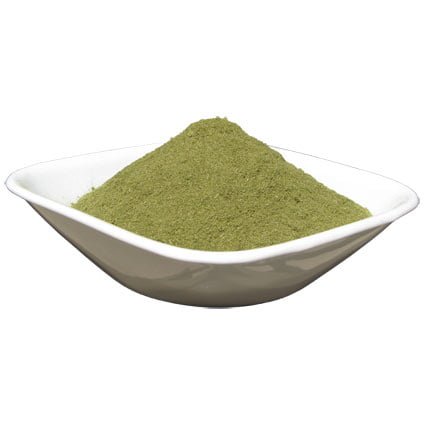
unrefined green stevia
WORST CHOICES
1. Refined sugars: white cane sugar (sucrose), brown sugar, corn syrup, high fructose corn syrup. Avoid corn syrup at all costs: it stresses the liver and increases oxidized fat. Chemicals used in the extraction process; highly processed; contains chemicals and anti-caking agents; all high on glycemic index, meaning sugar crash is imminent; leaches minerals from the body.
2. Unrefined sugars: sucanat, turbinado, rapadura. These fancy sugars are the lipstick on the pig I described earlier. Although they aren’t as refined and stripped as white sugar, and some are even organic or extracted directly from sugar cane and dried, they still have the same action on the body as regular cane sugar. Organic and unrefined is a plus, but still high on glycemic index, causing blood sugar spikes, insulin surge, and cravings.
3. Agave nectar: highly processed and high in fructose. Doesn’t spike insulin or blood sugar, but too much fructose is harmful. When fructose enters the liver, the liver can’t process it all fast enough for the body to use as glucose for fuel. To compensate, it converts the fructose to fats and sends them off into the bloodstream as triglycerides. High triglycerides = heart disease risk. As osteopath Dr. Mercola says, “While agave syrup does have a low-glycemic index, so does antifreeze — that doesn’t mean it’s good for you.”
4. Corn syrup: for dog’s sake, avoid corn syrup. Also high in fructose and highly refined, and likely one of the biggest contributing dietary factors to obesity and heart disease.
5. Any fake sugar: splenda, aspartame, Nutra-Sweet, Sweet N Low, whatever. Even cane sugar is better for you than these 100 percent chemically toxic agents. They’re Neurotoxic (causes brain cell death and linked to a number of neurological issues, even epilepsy) and can actually cause weight gain. Folks, avoid this like the plague. Read my post on diet sodas and sugar subs here.
Frequently Asked Questions
Why is eating too much sugar harmful to the body?
Excess sugar can elevate blood glucose, weaken immune response, and increase systemic inflammation. Over time, high intake is linked to weight gain, elevated triglycerides, insulin resistance, and metabolic syndrome. Sugar may also disrupt gut microbiome balance.
How does sugar affect cravings and energy levels?
Sugar causes rapid spikes in blood glucose followed by sharp drops. These fluctuations can trigger fatigue, irritability, and renewed cravings. Repeated cycles may impair insulin sensitivity, while balanced meals support steadier energy and mental clarity.
What is a sugar detox and how long should it last?
A sugar detox involves removing added sweeteners for about 21 days to reset taste preferences and reduce dependence. Initial withdrawal may include cravings or mood shifts, but many people report improved energy and appetite regulation after adaptation.
Which sweeteners are considered better alternatives?
Lower glycemic options such as monk fruit, green stevia, xylitol, and coconut palm sugar may have less impact on blood glucose. Although these alternatives can reduce insulin spikes, moderation remains essential for metabolic health.
Why are refined and unrefined sugars both concerns?
White sugar, brown sugar, and minimally processed sugars similarly raise blood glucose and insulin. Even natural sounding sweeteners can promote inflammation and liver strain when consumed excessively, affecting long term metabolic stability.
Is agave nectar a healthy alternative?
Agave nectar has a lower glycemic index but contains high fructose levels. Excess fructose is processed in the liver and may elevate triglycerides. Low glycemic impact does not automatically translate to improved cardiovascular health.
Why avoid artificial sweeteners?
Artificial sweeteners such as aspartame and sucralose are highly processed and may alter gut bacteria and appetite regulation. Some evidence links them to metabolic and neurological concerns. Small amounts of natural sweeteners may be preferable to synthetic options.
Read my posts on sugar:
How to smash sugar cravings
Kick off a sugar detox
 Welcome to my site! I am a holistic nutrition consultant based in California, though I work with clients all over the world. I love houseplants, dogs, snow sports, and music that doesn't suck.