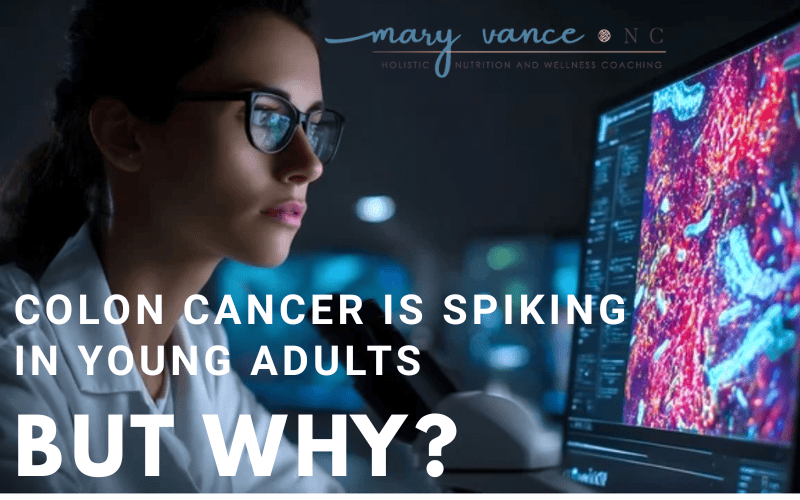
Why is colon cancer increasing in young adults? This article explores the growing rise in early-onset colorectal cancer, the factors researchers believe may be contributing to the trend, the warning signs you shouldn’t ignore, and evidence-based strategies that may help reduce your risk.
I was astounded when I recently read that cancer cases in young adults have surged nearly 80 percent worldwide over the past three decades, and gastrointestinal cancers, which include colorectal cancer, are growing faster than any other type of cancer in young people. According to a recent report from the American Cancer Society, one in five people diagnosed with colorectal cancer are now under the age of 55!
Colon cancer has long been viewed as a disease that affects people later in life. But in the past decade, more adults in their 20s, 30s, and 40s are being diagnosed. This trend has puzzled researchers, concerned physicians, and sparked new conversations around prevention.
Although we don’t yet have a single clear cause, we do have several well supported theories. As a nutritionist, I see this as an opportunity not to create fear, but to empower: The daily choices we make matter deeply for our digestive and immune systems. And remember that 40-50 percent of cancers and cancer deaths are preventible. So even if your genetics are working against you, your daily diet and lifestyle habits go a long way for prevention.
Let’s take a look at why colon cancer is rising in younger populations and what you can do to protect your gut health.
Before we get into it though, a quick reminder that cancer is a disease of the immune system. Cancer development involves both the immune system failing to prevent cancer, and some cancers are a direct result of immune cell malfunctions. A healthy immune system normally prevents cancer. Your immune system is designed to scavenge for and eliminate abnormal cells that have the potential to turn into cancer cells and eventually tumors. So, supporting immune health overall, along with taking your specific genetics into account, will help you stay healthy.
Read my holistic approach to cancer prevention here.
Why is Colon Cancer Rising in Young Adults?
There are a number of overall factors associated with this rise, plus one risk factor I want to delve into in more detail. But first, let’s take a look at some overall contributing factors to the rise in colon cancer.
1. Changes in the Gut Microbiome
Our gut bacteria influence inflammation and immune function. Studies show that younger adults today tend to have less microbial diversity than previous generations due to increased antibiotic use and poor diet higher in processed convenience foods than previous generations. Factors that disrupt the microbiome include:
- Frequent antibiotic use
- Highly processed foods
- Artificial sweeteners
- Lower intake of fiber-rich, plant-based foods
- Chronic stress and poor sleep
When the microbiome loses balance, dysbiosis occurs, and inflammation rises. Dysbiosis means your bad bacteria overtake your beneficial bacteria, inducing negative changes in the gut and causing (in most cases) unpleasant symptoms. Frequent antibiotic use and poor diet are main contributors. Read my post on dysbiosis here.
Chronic, low-grade inflammation is a known contributor to many types of cancer.
2. The Modern Diet
Our highly processed Standard American Diet (SAD) is one factor behind rising obesity and disease rates. The typical American SAD diet is high in ultra processed foods that contain refined grains, added sugars, processed meats (like hot dogs), industrial seed oils.
Ultra-processed foods (UPFs) include things like packaged breads, sweetened beverages, flavored yogurts, breakfast cereals, snack foods, and ready-to-eat meals, items that are often calorie-dense, nutrient-poor, and engineered with additives to improve taste, texture, or shelf life.
So it’s not just the typical sodas and snack bars; we’re also talking certain breads, yogurt, and cereal. The foods most strongly associated with increased risk included the usual suspects: sugar sweetened beverages, ready-to-eat meals, processed meats like hot dogs and deli slices, but also breakfast cereals, packaged breads, and bottled condiments.
These foods increase inflammation, promote insulin resistance, and reduce fiber intake, all of which can affect colon health. Fiber in particular is crucial, because it feeds beneficial gut bacteria and helps produce butyrate, a compound known to protect colon cells.
I add this prebiotic fiber to my morning smoothie to boost my fiber intake. You want a diet rich in prebiotic foods the feed your probiotic bacteria. Read how to boost your prebiotics in this post.
3. Sedentary Lifestyles
Many younger adults spend long hours sitting for work, studying, or screen time. Physical inactivity slows digestion, increases inflammation, and affects metabolic health. These are all cancer risk factors.
4. Rising Rates of Obesity and Metabolic Dysfunction
Even in people who aren’t visibly overweight, metabolic dysfunction (like insulin resistance, fatty liver, or chronic inflammation) is becoming more common. These internal imbalances can influence cell growth and repair in the gut.
5. Environmental Exposures
We’re living with more microplastics, endocrine disruptors, ultra processed food additives, and environmental toxins than any previous generation. While research is still emerging, many chemicals influence hormones, immunity, and inflammation in ways that may contribute to cancer risk. Our rapid environmental health decline really concerns me, and I’m convinced that this along with increased consumption of UPFs are the biggest culprits behind rising cancer rates. We’re eating more toxic food than ever and living on a toxic planet.
But what sparked me to write this article in the first place was running across a study that has been tracking nearly 30,000 women for more than two decades.
Colon Cancer & Women
Researchers focused on 29,105 female participants under 50 who had the following:
- completed detailed food questionnaires
- undergone at least one lower endoscopy
- no prior history of cancer
- no history of inflammatory bowel disease or colorectal polyps at baseline
Every four years, the women reported how often they ate various foods. Researchers then categorized foods based on the level of industrial processing.
Women consuming the highest amounts of UPFs (about 5.7 servings per day, or roughly one-third of their daily calories) had a 45% higher risk of developing precancerous polyps compared to those eating the least. And this wasn’t a borderline finding. The relationship was clear and consistent:the more ultra-processed foods women ate, the higher their polyp risk climbed.
But why?
In a word, inflammation. Inflammation is an underlying factor in most chronic illness, including cancer. This is why an anti-inflammatory diet (like the Mediterranean diet) is recommended most often for disease prevention. Inflammation creates an environment where cells are more likely to accumulate DNA damage and mutations, the first steps toward cancer.
Ultra processed foods are known to trigger chronic low-grade inflammation throughout the body, including in the gastrointestinal tract. These foods also disrupt the gut microbiome. The majority of your immune system is in your gut, so disruptions in your microbiome adversely affect your immune health.
Colon Cancer Prevention
Colon cancer can be largely prevented through diet, regular exercise, maintaining a healthy weight, not smoking, and limiting alcohol. It’s a slow growing cancer which means if caught early the prognosis is excellent.
Here are the main diet and lifestyle habits on which to focus for colon cancer prevention and to nourish gut health.
1. Eat for Gut Diversity
And eat anti-inflammatory.
- Veggies, fruits, legumes, nuts, seeds, whole grains, herbs, and spices
- Fermented foods like yogurt, kefir, sauerkraut, kimchi, miso
- Resistant starch sources like cooked-and-cooled potatoes, green bananas, or lentils
- Increase intake of omega 3 rich foods like salmon, sardines, flax, walnuts
- Boost high antioxidant superfoods like blueberries, cruciferous, leafy greens, dark chocolate, green tea, nuts, seeds
Aim for diversity. How many different fruits and veggies can you consume per week?
2. Increase Fiber Intake Gradually
Most adults fall far below optimal fiber levels. The average daily intake is somewhere around 10g when it should be 25 grams at least.
Great sources include:
- Beans and lentils
- Chia, flax, and hemp seeds
- Berries, especially raspberries
- Cruciferous vegetables
Fiber helps regulate bowel movements, supports detoxification, and nourishes protective gut bacteria.
3. Reduce Ultra-Processed Foods
Limit the following:
- Processed meats
- Additives like emulsifiers and artificial sweeteners
- Deep fried foods
- Sugary drinks and snacks
Whole, minimally processed foods give your microbiome what it truly needs.
4. Move Your Body Daily
Even gentle movement improves gut motility and reduces inflammation. In addition to daily workouts, a 3-5 minute walk after meals is excellent for blood sugar regulation. Aim for sitting less, not perfection.
5. Manage Stress and Sleep
Stress hormones affect gut bacteria, immune function, and inflammatory pathways. Support your nervous system through:
- Mindful breathing
- Meditation
- Time in nature. Forest bathing!
- Consistent sleep routines
- Journaling or therapy
Your gut and brain communicate constantly — caring for one supports the other.
Conclusion
What we’re eating is changing our cancer risk, potentially decades before symptoms appear. The rise in early onset colorectal cancer isn’t happening in a vacuum. It’s unfolding alongside dramatic shifts in how we produce, process, and consume food.
The dietary choices you make today are laying the groundwork for your health in the future. That’s not meant to scare you; it’s meant to empower you. Because, unlike genetic risk factors you can’t control, your diet is something you can change, starting today!
Book a discovery call with me to understand how you can optimize your health and determine your ideal diet.
Frequently Asked Questions
Why is colon cancer increasing in young adults?
Researchers don’t yet know the exact cause. Current evidence suggests the increase is likely due to a combination of factors, including changes in the gut microbiome, diet, obesity, sedentary lifestyles, environmental exposures, and other lifestyle factors.
What age is considered early-onset colon cancer?
Early-onset colorectal cancer refers to colon or rectal cancer diagnosed before the age of 50. While it’s still less common than in older adults, rates have been steadily increasing in younger people over the past several decades.
What are the early warning signs of colon cancer?
Common symptoms include blood in the stool, rectal bleeding, persistent abdominal pain, unexplained weight loss, changes in bowel habits, constipation, diarrhea, or a feeling that the bowel doesn’t empty completely. These symptoms should always be evaluated by a healthcare provider.
Can healthy people get colon cancer?
Yes. Although obesity, smoking, poor diet, and a family history can increase risk, many young adults diagnosed with colon cancer are otherwise healthy and have no obvious risk factors. That’s why persistent digestive symptoms should never be ignored.
When should I get screened for colon cancer?
For people at average risk, screening now begins at age 45. Those with a family history of colorectal cancer, inflammatory bowel disease, certain genetic syndromes, or other high-risk conditions may need to begin screening earlier.
Can diet and lifestyle reduce the risk of colon cancer?
While no strategy can completely prevent colon cancer, maintaining a healthy weight, exercising regularly, eating a fiber-rich diet, limiting processed and red meats, avoiding smoking, moderating alcohol intake, and staying current with screening recommendations may help reduce your risk.
Is blood in the stool always caused by hemorrhoids?
No. While hemorrhoids are a common cause of rectal bleeding, blood in the stool should never be automatically dismissed—especially if it persists or occurs alongside changes in bowel habits, abdominal pain, or unexplained weight loss. It’s important to discuss these symptoms with your healthcare provider.
 Welcome to my site! I am a holistic nutrition consultant based in California, though I work with clients all over the world. I love houseplants, dogs, snow sports, and music that doesn't suck.