
Chronic inflammation drives heart disease, diabetes, autoimmune disorders, and IBS. Improve gut health, reduce sugar and seed oils, manage stress, sleep well, and eat omega 3 rich foods to lower risk.
I use the term inflammation almost daily when consulting with my clients, and we hear a lot about inflammation as a contributing factor to many diseases. While there is an obvious definition to inflammation–swelling–when it happens inside your body, chronic inflammation is much more insidious and is considered one of the main triggers for disease. If inflammation is a natural and even beneficial response, why is it bad?
What is inflammation?
In a very basic sense, think about what happens when you cut your finger: It swells and turns red and warm as your body sends white blood cells to the injury site to prevent foreign invaders from causing infection. The swelling caused by this reaction is inflammation, and it is good, in this instance. Or if you sprain your ankle or burn yourself, the resulting inflammation is all part of the healing process. This is acute inflammation. Chronic inflammation is another story.
Chronic inflammation happens internally and starts out similarly to acute inflammation– your body’s response to a foreign invader, bacteria, or anything causing damage. One theory is that most chronic inflammation originates in the gut. Let’s say, for example, you have a sensitivity to gluten, but you’re unaware. Every time you eat gluten, the proteins cause your digestive tract to inflame as an immune response is triggered by your body in response to the protein. (SIDE NOTE: gluten triggers inflammatory zonulin signaling in the body REGARDLESS of any sensitivity to gluten/gliadin proteins).Your body mounts an immune response in the small intestine in response to the damage from the gluten proteins.
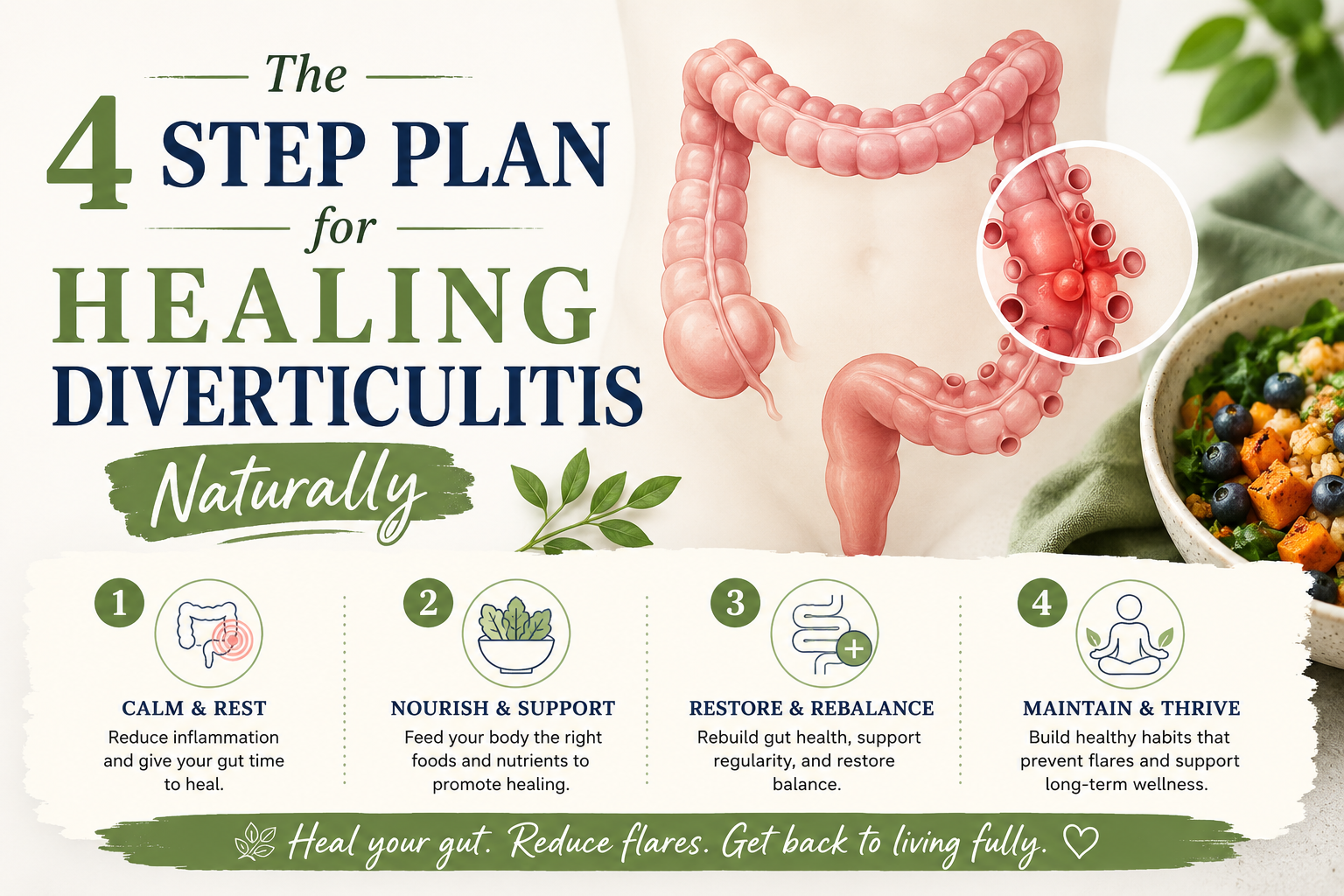
Maybe you notice some gas or bloating but you don’t think much of it. Either way, the damage and inflammation gets worse and worse and spreads slowly throughout your system (systemic inflammation). Maybe you notice you begin reacting to multiple foods (digestive symptoms every time you eat certain foods) and have developed leaky gut syndrome. Or maybe you are then diagnosed with an inflammatory digestive condition such as Crohn’s, IBS or colitis.
Soon this chronic inflammation in the digestive tract begins to exhaust your immune system, which is constantly reacting to the fire. An overreactive immune system is one of the causes of autoimmune disease, not to mention if your immune system is always on call it can’t fully tend to its other duties, like scavenging for abnormal cells.
In the case of cardiovascular disease, for example, arterial damage and inflammation is caused by oxidized cholesterol from excess refined sugar, damaged and oxidized fats (vegetable oils), and processed foods. Cholesterol is used for repair. When cholesterol becomes oxidized it can irritate the tissues in which it is lodged, such as the endothelium (lining of the arteries). This is one of numerous causes of chronic inflammation that can injure the lining of arteries, causing them to narrow.
Here is a list of diseases caused by inflammation:
(typically anything ending in -itis)
Arthritis (both osteo and rheumatoid)
Heart Disease/Vascular disease
Diabetes
Hashimoto’s thyroiditis
Autoimmune disease
Depression/anxiety
Crohn’s, IBS, Ulcerative colitis
High cholesterol (specifically LDL over 140)
Cancer
Eczema
Multiple Sclerosis
What causes inflammation?
Let’s break it down:
DIET: eating pro-inflammatory foods like sugar; factory farmed/grain fed meat unnaturally high in the omega 6 fatty acids; refined vegetable oils like canola, corn or soy (read more here); conventional dairy products; processed foods; alcohol, smoking, over the counter and recreational drugs; a gluten rich diet of sandwiches, pasta, crackers, baked goods and other refined grain-based foods.
LIFESTYLE: not sleeping 8 hours or sleeping poorly; working too much; stress caused by relationships, work, family; no exercise or stress relief like enjoyable activities, meditation; living in a dense, urban area; environmental toxins or pollutants (including cleaning products, cosmetics)
POOR DIGESTION: food that’s not properly broken down causes GI irritation, which results in inflammation and leaky gut syndrome.
EXERCISE: none at all; too much exercise (marathon training); too little; wrong type: for example, are you exhausted but forcing yourself to run 5 miles for exercise? Major stressor on the body!
COMPROMISED DETOX: if your liver is stressed and isn’t able to properly detox, toxins build up in your system and contribute to inflammation.
How do you know if you have inflammation?
Inflammation has been called “the silent killer,” but here are a few signs:
Ongoing, irritating joint or muscle pain
Allergies or asthma
High blood pressure
High blood sugar
High cholesterol
Ulcers
Irritable Bowel Syndrome, other digestive issues
Fatigue
Chronic skin problems or irritations/rashes
Depression
Here are some blood test markers to gauge your levels of inflammation:
Elevated High Sensitivity C-Reactive Protein (HS-CRP)
High levels of Homocysteine
Elevated Ferritin in the blood
Elevated LDL
Elevated Monocytes (secondary indicator)
Elevated Blood Glucose (leading indicator) over 100
How to combat inflammation
To reduce inflammation, it’s time to examine not only what you’re eating but to also address your stress level and lifestyle. Include the following anti-inflammatory foods to your diet:
- eat omega 3 rich foods like salmon, (and other oily fish), sardines, grass fed beef once weekly only (NO conventionally raised beef), leafy greens, chia seeds, walnuts.
- get plenty of antioxidant rich fruits and veggies, especially blueberries, papaya, broccoli, spinach/chard/kale (the leafy greens).
- drink green tea.
- add in beneficial spices like the wonder anti-inflammatory spice turmeric. Also, ginger, cinnamon, garlic.
- take Omegas
- use grass fed butter, coconut oil, olive oil and avocado. Avoid the vegetable oils.
- avoid soda and sugary drinks! Avoid excess coffee.
- do a liver detox! I provide you with the perfect plan in my ebook. Click here for more.
Here are guidelines on how to eat an anti-inflammatory diet.
Lifestyle
Sleep 8 hours. Get tips for improving your sleep here. Enjoy your life and maintain healthy relationships. Get therapy if needed. Don’t work too much. Exercise. Do enjoyable and stress relieving activities, whether that’s knitting, gardening, singing, photography, whatever.
 Welcome to my site! I am a holistic nutrition consultant based in California, though I work with clients all over the world. I love houseplants, dogs, snow sports, and music that doesn't suck.