Holistic 24 hour dog diarrhea plan using fasting, white rice, lean meat, pumpkin, probiotics, and broth to restore gut health, support hydration, and rebalance canine digestion safely.
If you’re a dog owner, you’ve no doubt dealt with a bout of doggie diarrhea at one point or another. Vets usually recommend a bland diet–boiled chicken and rice–but this may not be the best solution for all pets. A quick internet search will probably yield you a million confusing suggestions, so I’ll keep it simple for you by sharing my tried and true 24 hour cure for occasional dog diarrhea.
Before we begin, a couple of caveats: I am NOT a vet. I have been studying and successfully applying holistic animal care to my dogs and horses for more than half my life, but that doesn’t make me a vet, if that matters to you. Secondly, the recommendations in this article apply to the canine species only, not cats. Sorry cat people, I’m more of a dog lady. Thirdly, the recommendations in this post are applicable for occasional diarrhea, not chronic and continuing.
If your dog’s diarrhea persists longer than 2 days or comes in frequent bouts, consult a vet. Also see your vet immediately if there is blood in the stool.
Now, onto the fun topic of dog diarrhea.
How It All Began
My dog Shaia, the adorable labradoodle pictured with me in the sidebar, suffered repeated bouts of diarrhea as a puppy, and although the longterm treatment involved my finding her ideal diet + repairing her digestive tract, I learned a lot about diarrhea along the way. Lucky me! (Click here for my recommendations about what to feed your dog).
Shaia had a few food allergies (probably a result of taking multiple rounds of antibiotics as a puppy) coupled with the tendency to eat anything and everything in site. And junk is plentiful in city parks and on sidewalks where she grew up, let me tell you. “Leave it!” is my most often used command. She’d get the runs anytime she ate chicken, other dogs’ food, cat food, or any assorted disgusting treats/stale pizza off the street.
Causes of Dog Diarrhea
When something irritates the gut–the small or large intestine–regulated bowel movements (peristalsis) increase in speed. The body is attempting to expel the irritant or toxin, so transit through the bowel speeds up. Contents of the intestines move at a much faster rate, which doesn’t allow for normal removal of fluid from the bowel, and diarrhea results.
This isn’t a bad reaction (though it’s pretty unpleasant for you and your dog): if your dog ingests a toxin of some sort, the body is doing its job in expelling it rapidly. This is why I don’t recommend PeptoBismol or KaoPectate, which will certainly stop your dog up but will delay release of offending agent.
Causes Include
- eating indigestible substances such as garbage and decayed food
- eating dead animals, too much grass, certain plants, and pieces of plastic, wood, paper, or other foreign materials
- switching your dog’s food suddenly. You need to make gradual changes in foods.
- food allergies (chicken, chicken fat, chicken by-products, corn, dairy, and wheat are common culprits)
- eating too much protein or fat-rich food (I once fed Shaia too much fat skimmed off the top of the bone broth and that caused the runs. Getting into the cat’s food will do it too).
- stress, a sudden move, or anxiety
- antibiotics
- parasites (giardia is common in dogs). If your dog seems to get diarrhea on a regular basis (say, every 3 weeks), bring a stool sample into your vet’s office to check for parasites.
- IBS or IBD causes chronic diarrhea
- chronic stress
Of course, some dogs have iron stomachs and can eat anything and be fine. My dog certainly is not one of those.
How to Alleviate Dog Diarrhea in 24 Hours
First off, pull your dog off his food as soon as you notice the runs. Refrain from feeding him his normal diet for 24-48 hours, but do NOT withhold water. During this time, make a batch of white rice, and give him that twice daily, once in the morning and once in the evening, mixed with a saccharomyces boulardii. (to make it powdered, simply twist open the capsule and sprinkle into food). Saccharomyces is excellent for diarrhea and helps firm up stool (in humans too).
I usually add a boxed onion-free (onions are toxic to dogs) beef or chicken broth. Or you could make a bone broth with no onion. The broth is excellent for the minerals that can be depleted when your dog gets diarrhea. Make sure he stays well hydrated.
NOTE: if your dog is diabetic, don’t fast him or change up his diet dramatically. Check with your vet.
If you have some seaweed on hand (and who doesn’t really?), grind that up and add it. Because I’m super crunchy, I always have kelp, toasted nori strips, or some kind of sea vegetable in my pantry for broths and soups.
The next day, instead of regular kibble or your dog’s usual diet, brown up some ground turkey or lower fat ground beef (like 90-95% lean if you can find it. Higher fat content is irritating to sensitive guts), and make him a mix of mashed/canned pumpkin and browned meat with white rice.
If you are certain your dog is ok with chicken, you can use plain boiled chicken breast, but chicken is a common allergen and can cause diarrhea. You can use mashed sweet potato too. Pumpkin is very soothing to the GI tract and feeds the good bacteria. It’s a great source of fiber to help bulk up stool. My dog doesn’t do well with chicken or turkey, so I use ground beef, lamb, or you could use fish such as salmon too. How much you feed depends on the size of your dog. My dog is around 65 pounds and I give her about one cup of white rice with 1 tbsp pumpkin and 1/2 – 3/4 cup ground meat. Add powdered probiotic.
IMPORTANT: too much pumpkin can actually cause diarrhea (because of the fiber), so don’t overdo it: 1 tbsp per feeding for large dogs and 1 tsp per feeding for small dogs.
You can also use a supplement like this pumpkin-based Firm Up which is specifically designed to help firm your dog’s stool during a bout. I keep it on hand and use it as needed. There are directions on the package for how much to feed based on weight. I mix this with the white rice and ground meat.
Give your dog the pumpkin/ground meat meal with white rice and probiotic twice on this day (the day after you fed the white rice-broth mixture). I feed at 8am and again at 4pm. The diarrhea should resolve on this day. If not, you can continue this feeding routine for another day or so until your dog recovers. He may be constipated for a day or 2 after a diarrhea bout, so continue with the probiotic and pumpkin for a few days after if need be. Pumpkin works great for constipation too.
You can also give enzymes to help break down toxins or remnants of whatever he ate. If your dog has a sensitive GI tract or farts a lot, consider giving enzymes and probiotic (<- this one is good for daily use vs the saccharomyces which is good for acute loose stool) daily in his food, and also experiment with the best diet. It’s possible the gastric upset is due to too much protein from a grain free diet (some dogs do well with a little non-irritating grain like rice or oatmeal), or he may need a chicken-free protein.
Some vets suggest having slippery elm on hand. You can offer about a half a teaspoon or a capsule for each 10 pounds of body weight with every bland meal. You can also give your dog powdered glutamine, which is very healing to the digestive tract, but don’t feed that long-term.
Frequently Asked Questions
What is meant by occasional dog diarrhea in this guide?
Occasional dog diarrhea refers to short term loose stools that last less than 48 hours and happen infrequently. It is often linked to diet changes, stress, or eating something irritating. This differs from chronic (ongoing) diarrhea, which may signal infection, parasites, or food intolerance and needs veterinary care.
Why is fasting recommended when diarrhea begins?
A short 12 to 24 hour fast allows the digestive tract to rest and clear irritants. Water must always remain available to prevent dehydration. After fasting, gentle foods like plain rice and broth help soothe the gut lining and gradually restore normal digestion.
Why is plain white rice used instead of regular dog food?
White rice is low fiber, bland, and easy to digest. It helps absorb excess fluid in the intestines and can firm loose stool. During recovery, rice provides temporary digestive support without stimulating the gut as strongly as regular kibble or rich foods.
How does pumpkin help firm a dog’s stool?
Pumpkin contains soluble fiber that absorbs water and adds bulk to stool. In small portions, it supports healthy bowel movement and gut comfort. However, too much fiber may worsen diarrhea, so the amount should be adjusted according to the dog’s size and symptoms.
Why are probiotics added during recovery?
Probiotics help restore beneficial gut bacteria disrupted by stress, food reactions, or antibiotics. Supporting the microbiome during and after diarrhea may improve digestion, reduce inflammation, and lower the risk of rebound constipation once normal feeding resumes.
When should a veterinarian be contacted?
Veterinary care is recommended if diarrhea lasts longer than two days, recurs frequently, includes blood, or is paired with vomiting, lethargy, or dehydration. Persistent symptoms may indicate parasites, bacterial infection, food allergy, or other medical conditions.
Why are medications like Pepto-Bismol discouraged?
Over the counter medications may slow bowel movements but can trap irritants inside the digestive tract. Diarrhea is often the body’s protective response to remove toxins. Suppressing it without addressing the cause may delay proper healing and recovery.
Sources
Holistic remedies for dog diarrhea
My post on holistic nutrition for dogs
Dr Pitcairn’s Complete Guide to Natural Health for Dogs & Cats
Pin it!
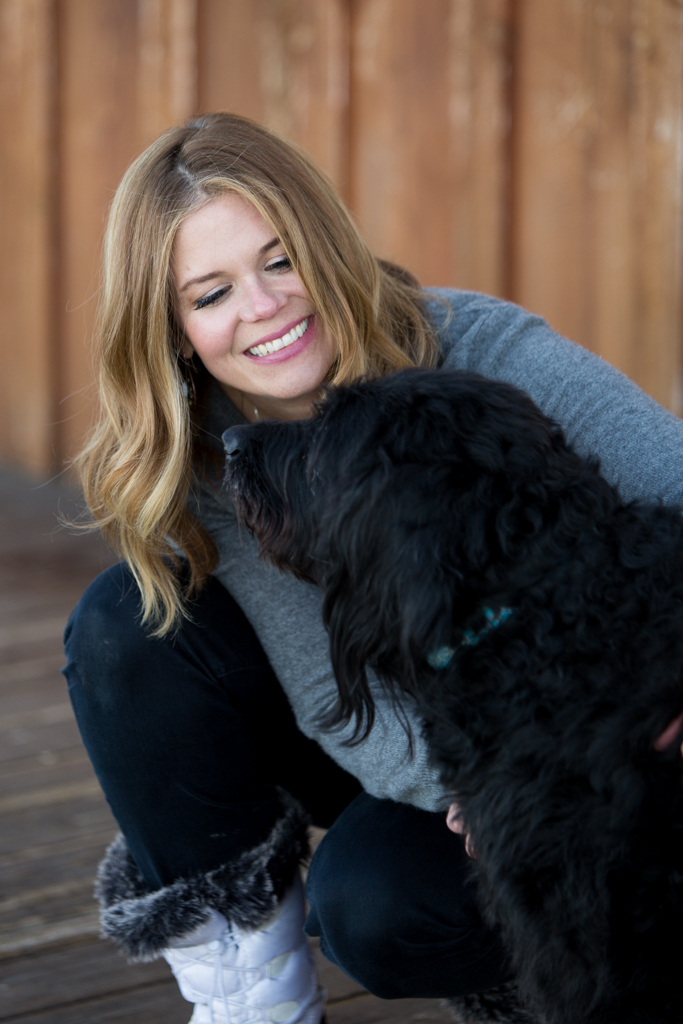 Welcome to my site! I am a holistic nutrition consultant based in California, though I work with clients all over the world. I love houseplants, dogs, snow sports, and music that doesn't suck.