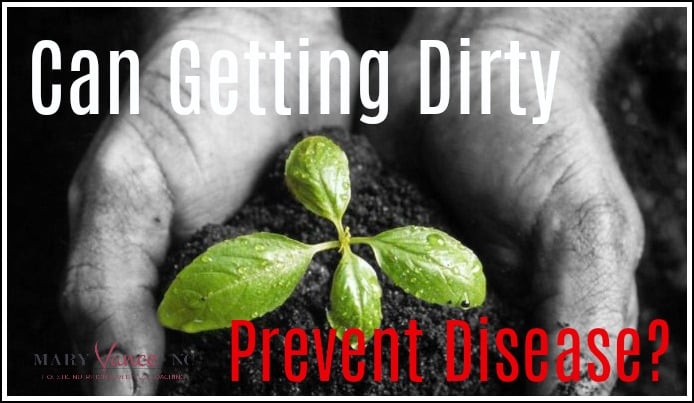
Explore the hygiene hypothesis and how limited microbe exposure, excess antibiotics, and overuse of sanitizer may disrupt gut microbiome balance, increasing allergy and autoimmune risk.
This post is dedicated to everyone out there who is afraid of dirt and germs and obsessed with hand sanitizer. To all of you who wipe down the grocery cart handle before using the cart and who microwave your sponges in attempt to kill the germs they harbor (note: that doesn’t work).
It’s time to get over this germphobia thing.
Stop it. Your germphobia has the potential to create more problems for your immune system (and your child’s) than exposing yourself to the bacteria and microbes you’re desperately trying to avoid.
Let us discuss the hygiene hypothesis, which states that a lack of early childhood exposure to infectious agents, symbiotic microorganisms (such as gut flora or probiotics), and parasites increases susceptibility to allergic diseases by suppressing the natural development of the immune system. This means that children who don’t play in the dirt or who are thoroughly and constantly sanitized are at a higher risk for allergies and autoimmune disease (and is one theory about why autoimmune disease is on the rise) because their immune systems haven’t been exposed to, and thus developed antibodies against, a diverse array of antigens. And that hand sanitizer? If you’re using one made with triclosan, you’re contributing to the rise of superbugs that have evolved to be resistant to antibiotics. (the alcohol-based hand sanitizers do not contribute to this problem). Scary stuff.
We know that children who are raised on farms and exposed to more microbes, animal dander, and dirt are less likely to have allergies, asthma, and autoimmune conditions than their city kid peers (source). Interestingly, this may come down to gut bacteria. The majority of your immune system is in your gut, so maybe it’s not that surprising after all.
Scientists have found that gut microbes keep a rare part of the immune system reined in. No (or not enough) microbes, and the immune cells go crazy in the lungs and intestines, increasing the risk of asthma and colitis. Add in the microbes, and cells in question,natural killer T cells, retreat. (study) So what does this mean?
We all have trillions of bacteria in our digestive tract. These bacteria help us digest food and keep our immune systems strong. We all have a mix of “good bacteria” (probiotics) and “bad bacteria” (pathogenic bacteria, yeast, microbes). If we aren’t exposed to any or enough of the bad guys, it seems our immune system becomes dysregulated, perhaps because the bad guys help keep the good guys in check and contribute to a balanced immune system. Somehow, disrupted gut microbiota is contributing to disease, but we’re not exactly sure yet how.
There is also evidence that children who are given antibiotics earlier in life (antibiotics kill off gut bacteria and upset the ratio of good to bad bacteria) are more likely to have immune problems such as food allergies and asthma (source). And we know that children born via C-section have a much higher risk for immune system defect and disease (source). They’re not getting inoculated in the vaginal canal by the mother’s bacteria, that which makes up the base of baby’s immune system. Fear not, though: if your child is born via C-section or has had to take rounds of antibiotics as a baby or toddler, you can give him/her probiotics or even manually inoculate baby after delivery.
All this is to say back off the hand sanitizer and let yourself and your kid get dirty. Too much handwashing can make you sick. Of the 60,000 types of germs that people come in contact with on a daily basis, only about one to two percent are potentially dangerous to normal people with normal immunity (source).
Of course, it’s appropriate and encouraged to wash hands after the bathroom and before a meal, and especially if you’re around others who are sick. But don’t worry about microwaving your sponges and sanitizing the f**k out of everything you touch, including the grocery cart (unless you are otherwise immune compromised). That’s why you have an immune system, and exposing it to these microbes is only making it stronger. So get out there and eat some mud pies. Get plenty of probiotics foods and support gut health. Your immune system will thank you.
Frequently Asked Questions
Is being too clean bad for your immune system?
Excessive sanitizing can limit normal microbial exposure that helps train immune cells. Without contact with everyday bacteria and soil organisms, immune regulation may weaken. This can increase the risk of allergies, asthma, and autoimmune reactions due to poor immune tolerance development.
What is the hygiene hypothesis in simple terms?
The hygiene hypothesis suggests that children need routine exposure to microbes, dirt, pets, and outdoor environments to build balanced immunity. When exposure is limited, the immune system may overreact to harmless triggers like pollen or food, increasing allergy and asthma risk later in life.
Why do farm raised children have fewer allergies?
Farm environments expose children to animals, soil microbes, and diverse bacteria that support gut microbiome diversity. A richer microbiome strengthens immune tolerance and reduces inflammatory responses. Studies show farm exposure is linked to lower rates of asthma, eczema, and seasonal allergies.
Can hand sanitizer create more health problems?
Overusing antimicrobial products may reduce beneficial microbial exposure and contribute to bacterial resistance. Certain chemicals such as triclosan have raised safety concerns. Alcohol based sanitizers are useful in high risk settings, but routine daily overuse may not support long term immune resilience.
How does gut bacteria affect immunity?
A large portion of immune cells are located in the gut lining. Healthy gut bacteria help regulate inflammation and immune tolerance. Low microbial diversity may increase the likelihood of autoimmune conditions, food sensitivities, and chronic inflammatory disorders.
Do antibiotics early in life change immune health?
Early antibiotic exposure can disrupt gut microbiome development during critical immune training years. This imbalance may increase the risk of allergies, asthma, and metabolic issues later in life. While antibiotics are sometimes necessary, careful use supports long term immune balance.
What is Mary’s advice on daily hygiene habits?
Mary recommends practical hygiene such as hand washing before meals and after bathroom use, without excessive sanitizing. Normal environmental exposure to microbes supports immune education and gut health while maintaining appropriate cleanliness for infection prevention.
 Welcome to my site! I am a holistic nutrition consultant based in California, though I work with clients all over the world. I love houseplants, dogs, snow sports, and music that doesn't suck.